Forklifts / Telescopic Handlers
References: R Record keeping requirement | E An engineering/certification requirement | P A permit to work requirement | S A safe work method statement (SWMS) / written plan
Note: This section is to be read in conjunction with:
- Section: Cranes, Hoists and Other Lifting Equipment
- Section: Mobile Plant
- Section: Plant and Equipment
- Section:
Training and Competency Schedule
Operational
Forklifts / telescopic handlers must:
- Comply with the relevant requirements under Section: Plant and Equipment
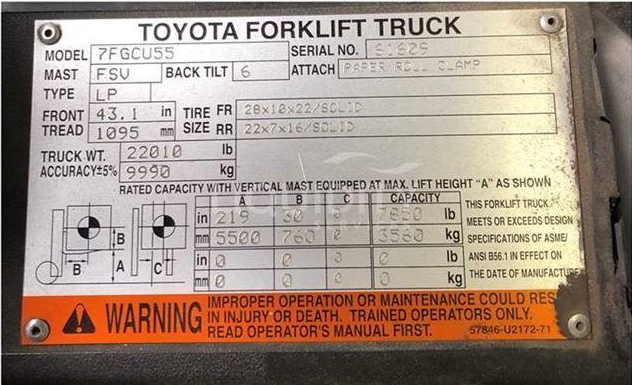
- Be fitted with a compliance plate stating the model, serial number, tare, rated capacity etc. including
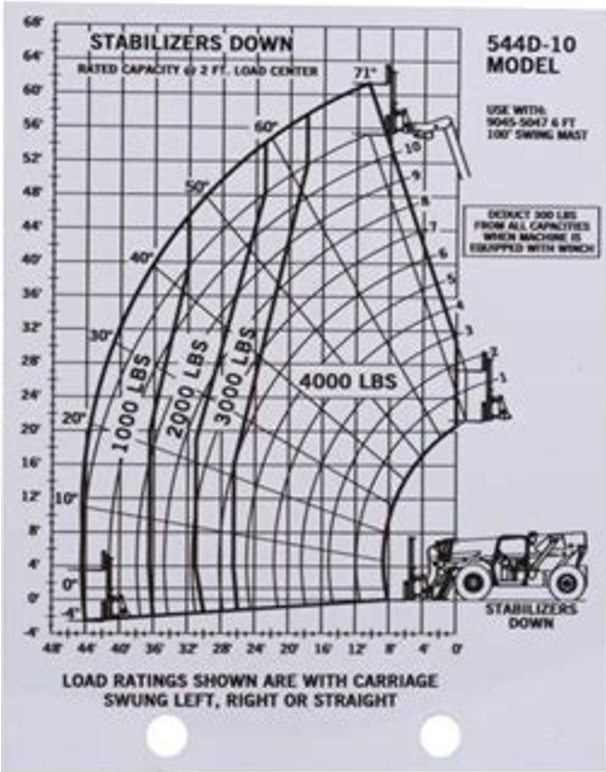
- load capacity at different mast angles or boom radii/heights
- Where petrol- or diesel-powered, have exhaust-emission risks eliminated or minimised so far as is reasonably practicable. Controls must be appropriate to the machine, fuel type and operating environment an may include manufacturer-specified exhaust after-treatment, ventilation or extraction, air monitoring, operating restrictions, or substitution with electric plant.
- NSW - Be fitted with an approved intelligent safety assistance system, load indication/weighting system and, where fitted with pneumatic tyres, a tyre pressure monitoring system.
Attachments must:
- Be suitable for the intended task and be compatible with the specific forklift or telescopic handler - refer to Manufacturer's instructions / Operators Manual.
- Be fitted with legible data plates displaying the Rated Capacity, load chart and other relevant information (e.g. de-rating for specific attachments)
- Have load charts that are compatible with, and available with the forklift / telescopic handler
- Be used, inspected and maintained in accordance with the manufacturer's instructions, and
- Only be used by operator's that hold the applicable license or competency / training record for the attachment, refer Section: Training and Competency Schedule
Informative: When using different attachments, their effect on load movement must be considered. Forklift masts primarily provide vertical lift, while telehandler jibs allow additional load movement through boom extension and carriage tilt
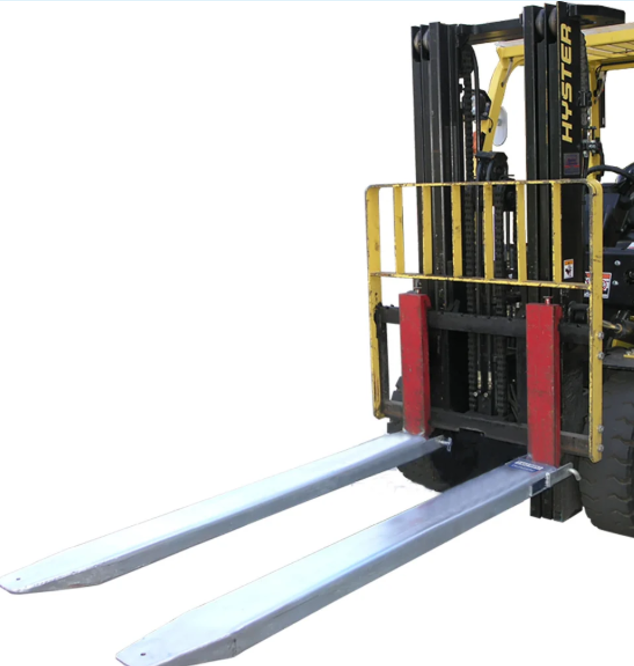
Extension Tines
Where extension tines or similar are used on forklifts / telescopic handlers, extension tines must:
- Be supported by the parent tines/forks for at least 60% of their overall length.
- Be secured using a locking pin or other manufacturer approved positive locking device – to prevent movement during operation.
- Be compatible with the forklift / telehandler and fitted with a data plate displaying the Rated Capacity.
When operating with extension tines:
- Operators must account for load centre adjustment where loads are carried further out on the extension tines.
- The load must not exceed the rated capacity of either the extension tines or the machine.
- Operators must refer to the applicable load charts located within the cab and on the attachment.
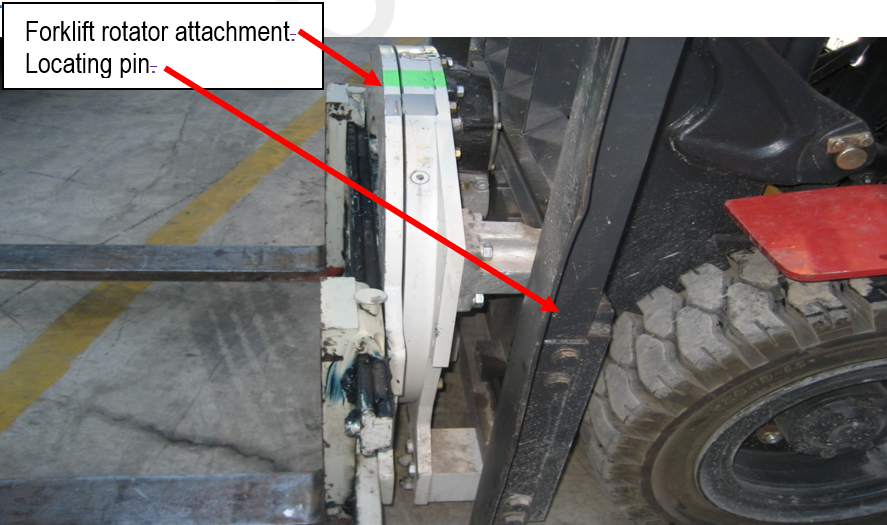
Rotating Attachment
S A SWMS must be developed for rotating attachments or incorporated into a forklift operations SWMS and submitted to MPX for review.
Rotating attachments must:
- Be appropriately secured in accordance with the manufacturer's instructions and positively retained (e.g. locked/pinned) to prevent unintentional disconnection during operation or rotation.
- Have applicable de-rated capacity recorded on the attachments dada plate
- NSW - Have a load backrest (apron) fitted
Data plates must state:
- The Rated Capacity of the rotating attachment
- Changes
to
the load centre of gravity resulting from the attachment.
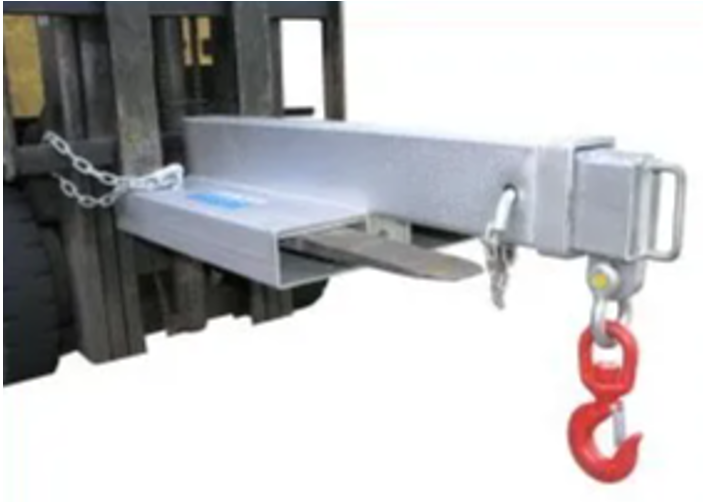
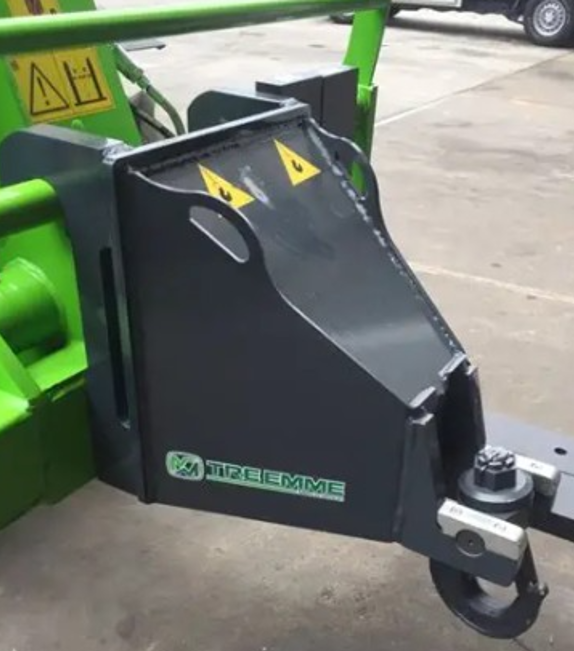
Jib / Hook Attachments
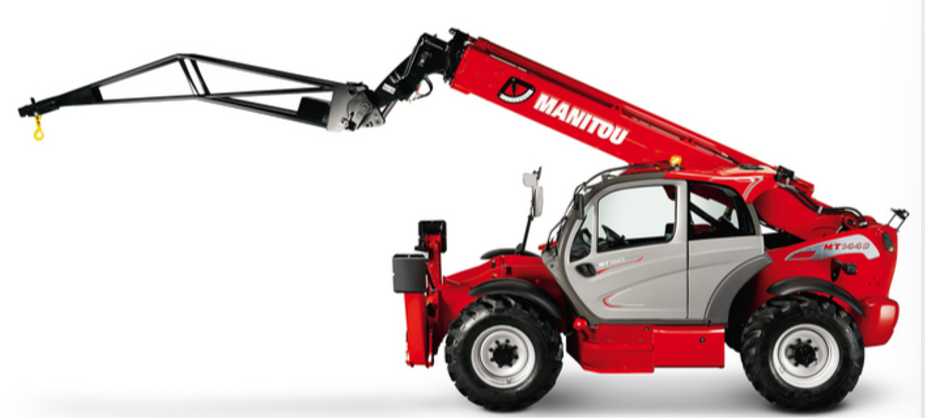
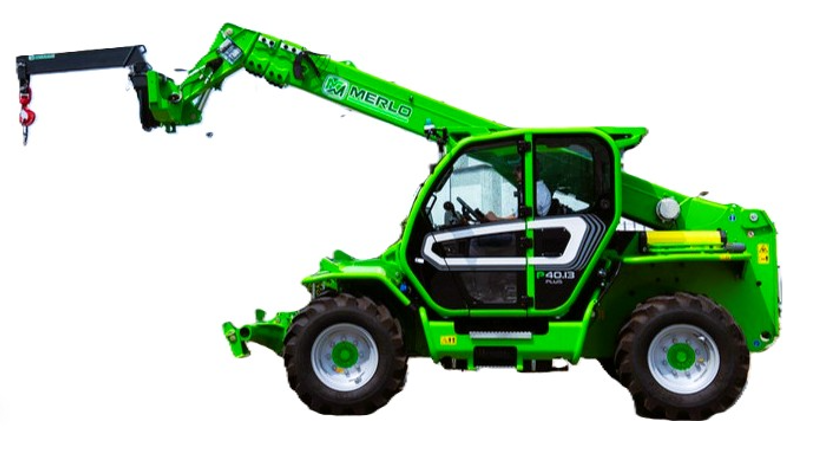
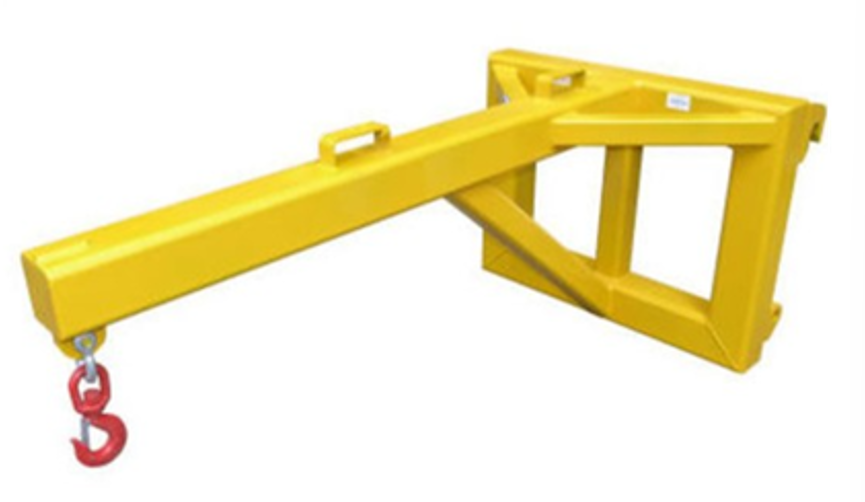
Where forklifts / telescopic handlers are configured to be used as a crane:
S SWMS must be developed and submitted to MPX for review.
S NSW - A High Risk Workshop must be conducted.
Jib / Hook attachments must:
- Be fitted with the applicable data plate displaying the Rated Capacity and a load chart (including boom radius height and where applicable outrigger/stabiliser position).
- Be secured in accordance with manufacturer's instructions using- the specific locking or retention system.
- Be suitable for / compatible with the forklift or the telehandler and be used, inspected and maintained in accordance with manufacturer's instructions / specifications and Section: Plant and Equipment Inspection Schedule.
Where a telescopic handler is used to list and suspend a load:
- The telehandler must be fitted with the indicating and limiting devices required for its rated capacity and attachment configuration.
- Where the rated capacity exceeds 3 tonnes, the telehandler must be fitted with and have operational and actual capacity indicator and limiter, together with a load indicator.
- A licensed dogger must sling an direct the load.
Lifting operations must be:
- In accordance with Section: Lifting Equipment.
- Undertaken only on ground assessed as suitable for the jib/hook attachment and proposed lift.
Work Platform
Telescopic handler configured with work platform, refer to:
- Section: Mobile Elevated Work Platforms.
- Section: Training and Competency Schedule
- NSW: This configuration is not permitted
Legal and Other Requirements
- AS 2359 series - Powered industrial trucks (forklifts - design & safe use)
- Managing Risks of Plant Code of Practice (Qld) 2013
- Managing risks of plant in the workplace - Code of Practice (WA, NSW, QLD)
Document Control
Version 1 August 2019 – New Standard
Version 2 August 2026 - Revised attachment compatibility, Rated Capacity, SWMS, load-chart and jib-retention requirements; updated standards, terminology and references